
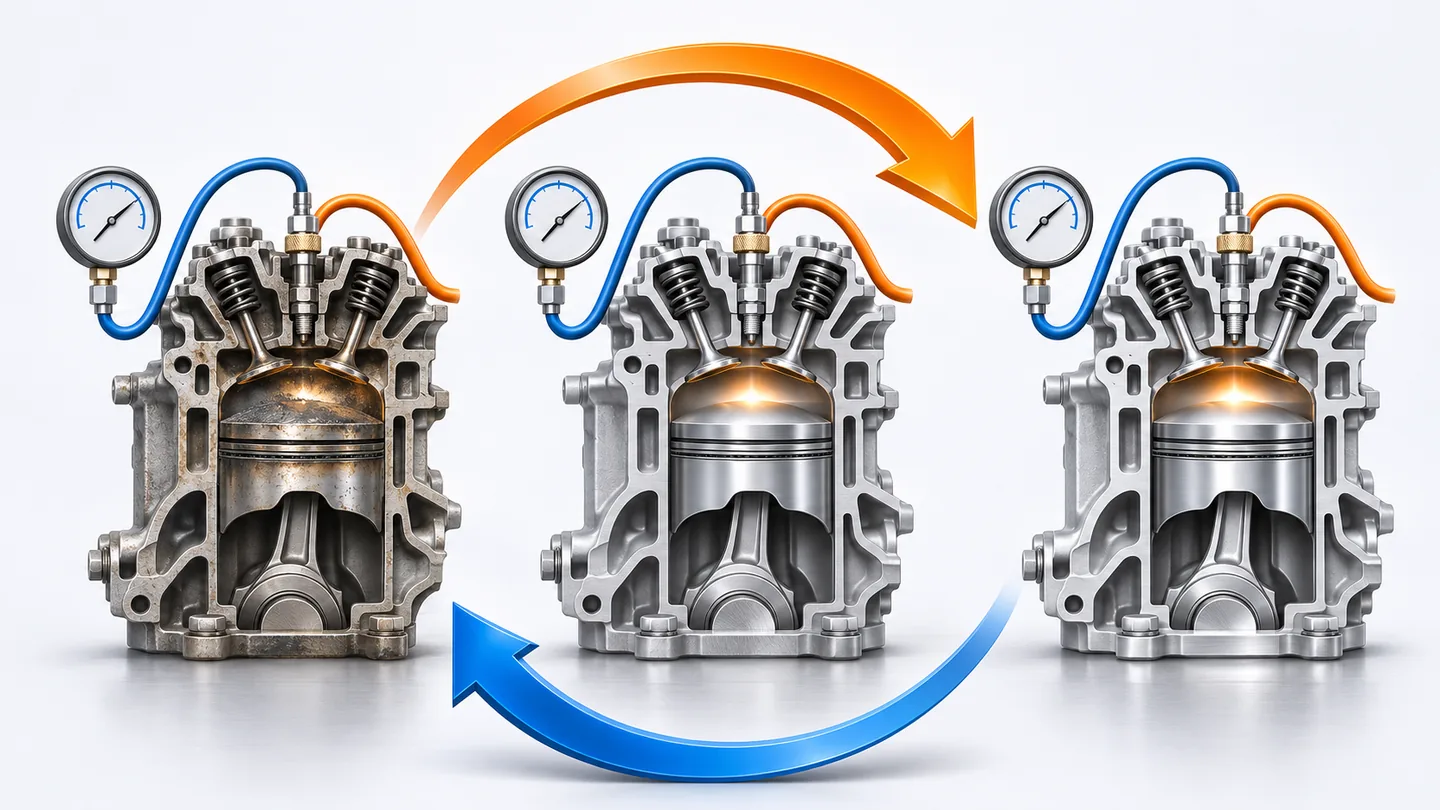
A rebuilt engine can also be offered on exchange. One term tells you about the condition of the unit or work carried out on it. The other can describe what happens to your old engine as part of the deal. Ask the garage to explain the condition, what is included and any return terms separately.
Used: what is known about the specific engine?
A used engine is offered for reuse. Its history, condition and the checks carried out will vary. Ask for the identification of the unit, what is documented and what needs checking before it can be installed. Mileage, if there is a record of it, is one piece of information.
Rebuilt: what work was actually done?
Ask which parts were assessed, reused or replaced, and what was tested. Industrial remanufacturing programmes can include dismantling, cleaning and restoring components to programme specifications. A unit advertised as “rebuilt” may have had a different scope of work, so ask for the details that apply to it. Stellantis example of industrial remanufacturing.
On exchange: what happens to the old unit?
An exchange can require the old engine to be handed over as part of the agreement. There may be return criteria or a charge tied to whether the old unit is accepted. Ask who assesses it, what condition it must be in and how the terms will appear in the quote. Manufacturer return programmes illustrate the arrangement, but the details depend on the proposal. ZF example of a used core return programme.
Before agreeing to the installation
Ask for the exact engine identification, how compatibility will be checked and which parts come with it or have to be transferred. A manufacturer can offer assemblies at different levels of completeness. Find out who covers the supplied engine and who covers fitting if a problem arises. Ford examples of different engine build levels.
For your own car, see engine replacement, engine exchange and our warranty information.